
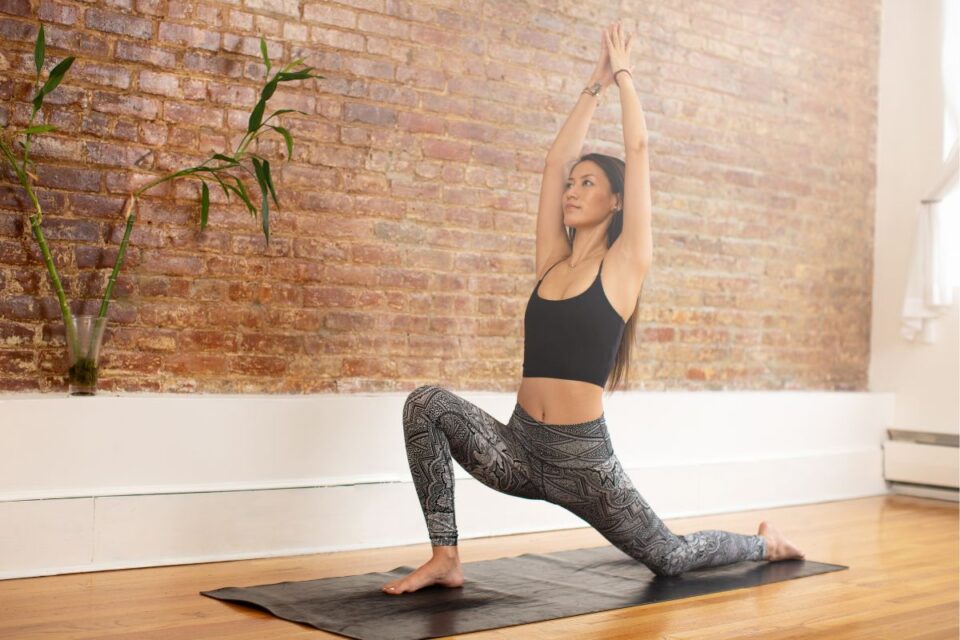
Yoga is a comprehensive system of physical, mental, and spiritual practices that originated in ancient India. While often perceived in contemporary Western culture as a mere fitness routine or a series of stretching exercises, the true scope of yoga is far more profound. It is a sophisticated technology of consciousness designed to harmonize the human system. By integrating specific physical postures, controlled breathing techniques, and focused meditation, yoga seeks to bridge the gap between the body and the mind, fostering a state of equanimity that is increasingly rare in the modern, fast-paced world.
The Historical Evolution of Yogic Philosophy
The origins of yoga can be traced back over five thousand years to the Indus-Sarasvati civilization. The earliest mentions are found in the Rig Veda, one of the world’s oldest sacred texts. However, the systematic foundation of yoga as we understand it today was codified by the sage Patanjali in the Yoga Sutras. Patanjali outlined the Eight Limbs of Yoga, a step-by-step guide to achieving internal peace and enlightenment.
These eight limbs include:
-
Yamas: Universal ethical standards and moral imperatives.
-
Niyamas: Personal observances and self-discipline.
-
Asana: The physical postures commonly associated with yoga today.
-
Pranayama: The regulation and control of breath.
-
Pratyahara: Sensory withdrawal to focus the mind inward.
-
Dharana: Concentration on a single point or object.
-
Dhyana: Uninterrupted meditation.
-
Samadhi: A state of profound integration and bliss.
In modern practice, most individuals begin with Asana, but the physical movement is intended to prepare the body for the deeper mental work outlined in the subsequent limbs.
The Biomechanics and Physiological Benefits of Asana
The physical practice of yoga, or Hatha Yoga, involves a variety of postures designed to improve the structural integrity of the body. Unlike traditional gym-based strength training, which often focuses on isolating specific muscles, yoga emphasizes functional, whole-body movements. These postures utilize isometric contractions and eccentric loading to build long, lean muscle mass while simultaneously enhancing joint stability.
Physiologically, yoga has a profound impact on the nervous system. Most modern adults spend a significant amount of time in a state of sympathetic nervous system dominance, often referred to as the fight-or-flight response. The deep, rhythmic breathing required in yoga activates the parasympathetic nervous system, or the rest-and-digest response. This shift lowers the production of cortisol, reduces systemic inflammation, and improves heart rate variability, which is a key indicator of cardiovascular resilience.
Furthermore, the twisting and compressing movements in various poses act as a massage for the internal organs. This encourages lymphatic drainage and improves circulation, assisting the body’s natural detoxification processes. Over time, a consistent asana practice leads to improved bone density, better postural alignment, and increased flexibility in the connective tissues, such as fascia, which often becomes restricted due to sedentary lifestyles.
Pranayama: The Power of Breath Regulation
In the yogic tradition, breath is considered the bridge between the conscious and unconscious mind. Pranayama, or the science of breath control, is perhaps the most immediate way to influence one’s mental state. By consciously altering the rate, depth, and pattern of breathing, a practitioner can directly communicate with the brain’s emotional centers.
For example, techniques like Ujjayi breath, characterized by a slight constriction in the back of the throat, create a soothing sound that helps anchor the mind during physical exertion. More advanced techniques, such as Nadi Shodhana (Alternate Nostril Breathing), are designed to balance the left and right hemispheres of the brain, promoting a sense of mental clarity and emotional stability. Scientific research into these breathing patterns has shown that they can significantly reduce symptoms of anxiety, hypertension, and sleep disorders by recalibrating the baroreflex sensitivity, which controls blood pressure.
Mental Health and the Cultivation of Mindfulness
Yoga is essentially a practice of mindfulness in motion. By requiring the practitioner to focus on the alignment of the body and the flow of the breath, it pulls the individual out of the recursive loops of rumination that characterize many mental health struggles. This state of presence helps develop the “observer’s mind,” where one can witness their thoughts and emotions without becoming overwhelmed by them.
The psychological benefits of yoga include:
-
Stress Reduction: By modulating the hypothalamic-pituitary-adrenal axis, yoga reduces the physiological markers of stress.
-
Emotional Regulation: Practicing difficult poses teaches the brain to remain calm in the face of discomfort, a skill that translates to better resilience in daily life challenges.
-
Enhanced Focus: The concentration required for balancing poses strengthens the prefrontal cortex, the area of the brain responsible for executive function.
-
Improved Self-Image: Yoga encourages an internal focus on what the body can do rather than how it looks, fostering a more compassionate relationship with oneself.
Yoga as a Tool for Longevity and Preventative Health
As the medical community shifts toward a model of preventative care, yoga is increasingly recognized as a vital intervention for healthy aging. The combination of weight-bearing exercise, cardiovascular conditioning, and stress management addresses the primary drivers of age-related decline.
One of the most significant impacts of yoga on longevity is its effect on telomeres—the protective caps at the end of chromosomes. Chronic stress is known to accelerate the shortening of telomeres, which is a hallmark of cellular aging. Studies have indicated that regular yoga and meditation can increase telomerase activity, the enzyme responsible for maintaining telomere length, effectively slowing down the biological clock at a cellular level. Additionally, by maintaining spinal mobility and balance, yoga significantly reduces the risk of falls and fractures, which are major causes of morbidity in older populations.
Integrating Yoga into a Modern Lifestyle
One of the greatest strengths of yoga is its accessibility. It does not require expensive equipment or a specific level of initial fitness. Whether practiced in a studio with a community or at home through digital guidance, the core principles remain the same. The key to a successful practice is consistency and the willingness to start where you are.
For the modern professional, even fifteen minutes of yoga during a lunch break can alleviate the physical strain of sitting at a desk and refresh the mind for afternoon tasks. For the athlete, yoga serves as a critical recovery tool, helping to restore muscle length and improve the mind-muscle connection. By viewing yoga not as a destination but as a lifelong journey of self-discovery, individuals can unlock a level of health and vitality that permeates every aspect of their existence.
Frequently Asked Questions
Is yoga a religious practice?
While yoga has roots in ancient Indian spiritual traditions, it is a secular technology of well-being. It does not require adherence to any specific belief system or religion. People of all faiths, as well as those with no religious affiliation, practice yoga for its physical and mental health benefits. The focus is on personal experience and self-observation rather than dogma.
How often should I practice yoga to see results?
While even a single class can lead to immediate stress reduction, the structural and neurological benefits typically require a consistent practice. Most experts suggest practicing at least two to three times per week. However, a short daily practice of ten to fifteen minutes is often more effective for habit formation and long-term change than one long session once a week.
Do I need to be flexible to start yoga?
This is a common misconception. Saying you are too stiff to do yoga is like saying you are too dirty to take a bath. Flexibility is a result of yoga, not a prerequisite. Yoga meets you where you are, and modifications are available for every pose to accommodate all body types and levels of mobility.
Can yoga help with weight loss?
Yes, but the mechanism is multifaceted. While vigorous styles like Vinyasa or Power Yoga burn a significant number of calories, yoga also supports weight loss by reducing cortisol levels, which are linked to abdominal fat storage. Furthermore, the mindfulness developed in yoga often leads to more intuitive and healthy eating habits, addressing the psychological roots of overeating.
What is the difference between Yoga and Pilates?
While both emphasize the mind-body connection and core strength, their approaches differ. Yoga is an ancient system that includes breathing techniques and meditation as central components, often holding poses for longer durations. Pilates is a younger discipline created in the early 20th century that focuses more specifically on core stability and controlled, repetitive movements, often using specialized resistance equipment.
Is it safe to practice yoga with a back injury?
In many cases, yoga can be highly therapeutic for back pain by strengthening the supporting muscles of the spine. However, it is crucial to consult with a medical professional before starting. If cleared, you should seek a teacher who can offer modifications and avoid deep forward folds or intense twists until the injury has stabilized.
Why is the final relaxation pose, Savasana, so important?
Savasana, or Corpse Pose, allows the nervous system to integrate the benefits of the practice. It is the moment where the body moves from a state of activity into a state of deep repair. Skipping Savasana is like working out and never letting your body rest; it is essential for the transition back into daily life with a calm and centered mind.
