
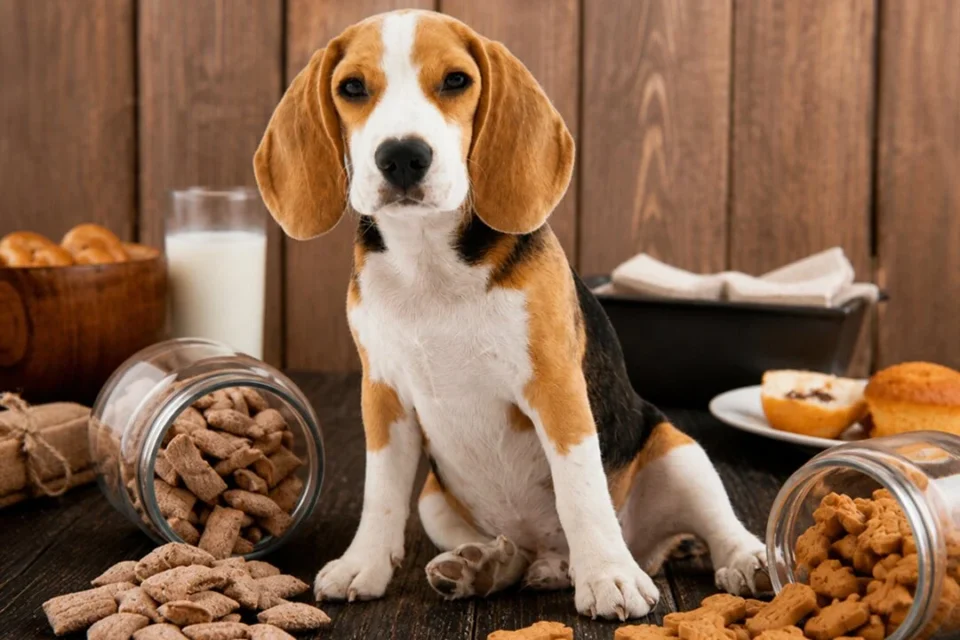
A treat can serve several purposes in a dog’s day. It might reward a behaviour you want to see again, make a short training session more enjoyable, or give your dog something to focus on while you settle at home. The best choice depends on when you plan to offer it, how your dog eats, and what else they have eaten that day.
It helps to think beyond a single favourite snack. A small reward that works well during a walk may be quite different from a chew offered at home under supervision. Browsing a range of Dog Treats can give you a clearer idea of the available textures and sizes before you decide what belongs in your dog’s routine.
Start with the reason for the treat
Before opening a packet, ask what you want the treat to do. If you are practising a cue such as “sit” or “come”, you need something your dog can eat quickly. A large chew would interrupt the lesson. If you are hoping to give your dog a quiet activity after a busy afternoon, a tiny training reward may be gone before they have had a chance to settle.
This simple distinction can prevent a surprisingly common problem: buying treats your dog enjoys, then finding they are awkward to use. Keep a few practical options in mind rather than expecting one product to suit every situation. You may still have a clear favourite, but it is useful to know when another size or texture would work better.
Consider how your dog eats
Some dogs take a reward gently and chew every mouthful. Others swallow small pieces in a hurry, especially when they are excited. Watch what your dog actually does with a treat instead of relying only on the size shown on a packet. A reward that seems convenient in your hand may need to be broken down further for your dog.
The same care applies to longer chews. Choose a size appropriate for your dog and stay nearby while they use it. Remove pieces that have become small enough to swallow whole. If your dog tends to gulp food or has had trouble with chews before, ask your vet which options are suitable. Treat time should be enjoyable for both of you, without requiring you to guess how they will handle a new product.
Make room for treats in the daily diet
Treats are easy to underestimate because they are given one at a time. A few during a morning walk, several during training and another handful in the evening can add up. If you are using plenty of rewards for a new skill, make each one small enough to keep the session moving without turning it into an extra meal.
Look at the feeding information on the pack and consider your dog’s usual food, activity level and body condition. Dogs with a prescribed diet, food sensitivities or a medical condition may need more specific advice from a vet. For many households, simply being consistent with portions makes treat time easier to manage. You can still reward generously in spirit while keeping the individual pieces modest.
Read the ingredient information
Packaging can be appealing, but the ingredient list gives you more useful information. Check the protein source, the number of ingredients and any additions that matter to your dog. If a dog has reacted poorly to a particular ingredient in the past, a clear label makes it easier to avoid repeating the mistake.
“Natural” and “healthy” can mean different things in everyday conversation, so look beyond those words. Think about what the treat contains, how much you intend to give and whether it suits your dog. A short ingredient list may be helpful when you are trying to keep track of what your dog eats, though it does not automatically make a treat suitable for every animal. Your own dog’s needs remain the deciding factor.
Match the treat to the setting
A treat that is perfect in the kitchen may be inconvenient at the park. For walks, you might prefer small pieces that are easy to carry and hand over quickly. If you are practising a difficult recall around distractions, you may need a reward your dog finds particularly interesting. At home, where there is less pressure to keep moving, a different texture may be welcome.
Storage matters too. Keep treats according to the directions on their packaging and close the pack properly after use. On a warm Australian day, avoid leaving food sitting in a hot car or direct sun. When you prepare a treat pouch before heading out, pack only what you expect to use and put any suitable leftovers away when you return.
Introduce new treats gradually
Even dogs that usually eat without fuss can respond differently to a new food. Offer a small amount first and see how they get on before adding it to their regular routine. This is particularly sensible if the treat contains a protein they have not tried before or if you are changing several parts of their diet.
Making one change at a time also helps you understand what your dog likes. If you open three new packets in one afternoon, it can be hard to tell which option caused an upset stomach or which one held their attention. A slower approach gives you useful information without making treat selection feel complicated.
Let your dog’s response guide you
A dog that takes a reward enthusiastically is giving you feedback, but enjoyment is only part of the picture. Notice whether they can eat it comfortably, remain interested in the activity and settle afterwards. If a treat is too hard to divide for training or too exciting for a calm moment, save it for a setting where it works better.
Preferences may change over time. A growing puppy, an older dog and an energetic adult can have different needs, even within the same household. Revisit your choices occasionally, particularly if your dog’s health, appetite or daily routine changes. There is no need for a perfect collection of treats. A few suitable choices, used at the right times, will serve you well.
The most useful treat is one that fits the moment and suits the individual dog. Start with its purpose, check the ingredients and portion, then pay attention to how your dog responds. That approach makes treats a thoughtful part of everyday care rather than an automatic extra.
